
The C++ Language course develops a structured foundation across four source-defined units. Learners begin with C++ foundations and first object-oriented thinking, progress to classes, objects, access control, and constructors, object lifetime, copying, static members, and friend functions, then move into inheritance, reusability, and derived class design, polymorphism, virtual functions, and abstract classes, and close with operator overloading, generic programming, and templates, stl containers, iterators, algorithms, and exception handling. The sequence is supported by theory sessions, course materials, code practice and practice codes, helping learners connect each unit with a consistent learning rhythm.
The supplied curriculum develops this progression from first object-oriented thinking through classes, inheritance and polymorphism to templates, STL containers, algorithms and exception handling. Designed for students, technical learners and early-career professionals, the course provides a focused six-week online pathway that preserves the supplied module order and topic pattern. The emphasis remains on the skills and concepts named in the source curriculum, with no unsupported modules, tools or outcomes added.
Build object-oriented C++ skills with reusable code and STL foundations
This opening module establishes C++ foundations and first object-oriented thinking within the C++ Language learning pathway. Theory sessions and course materials establish the concepts, while code practice and practice codes reinforce them through repeated programming activity. It creates the foundation for the later modules without adding topics beyond the supplied curriculum.
This module develops classes, objects, access control, and constructors, object lifetime, copying, static members, and friend functions as the next stage of the C++ Language pathway. Theory sessions and course materials establish the concepts, while code practice and practice codes reinforce them through repeated programming activity. The unit connects the earlier foundation with the concepts introduced in the modules that follow.
This module develops inheritance, reusability, and derived class design, polymorphism, virtual functions, and abstract classes as the next stage of the C++ Language pathway. Theory sessions and course materials establish the concepts, while code practice and practice codes reinforce them through repeated programming activity. The unit connects the earlier foundation with the concepts introduced in the modules that follow.
The final module focuses on operator overloading, generic programming, and templates, stl containers, iterators, algorithms, and exception handling, completing the source-defined C++ Language sequence. Theory sessions and course materials establish the concepts, while code practice and practice codes reinforce them through repeated programming activity. It brings the four-module pathway to a clear conclusion while preserving the exact source topic structure.
The project submission process helps learners apply Generative AI concepts in a practical and structured way. Therefore, participants complete project work to demonstrate their understanding, originality, and professional application.
First, explore the project topics available in the LMS. Review the project description, learning outcomes, and required skills before selecting your topic.
If required, ask your guide or mentor for support. After that, finalize your topic and begin your project work.
Once your project report is complete, follow the project submission guidelines for formatting, font, spacing, citations, and originality.
Your report will go through a plagiarism check. Therefore, keep the work original, properly structured, and clearly written.
Finally, upload your final PDF report and any supporting files to the LMS.
After submission, your project is evaluated by an organization mentor and an internal faculty supervisor.
The evaluation focuses on report quality, depth of understanding, concept application, problem-solving skills, professional behaviour, and timely submission. In some cases, a viva or presentation may also be required.
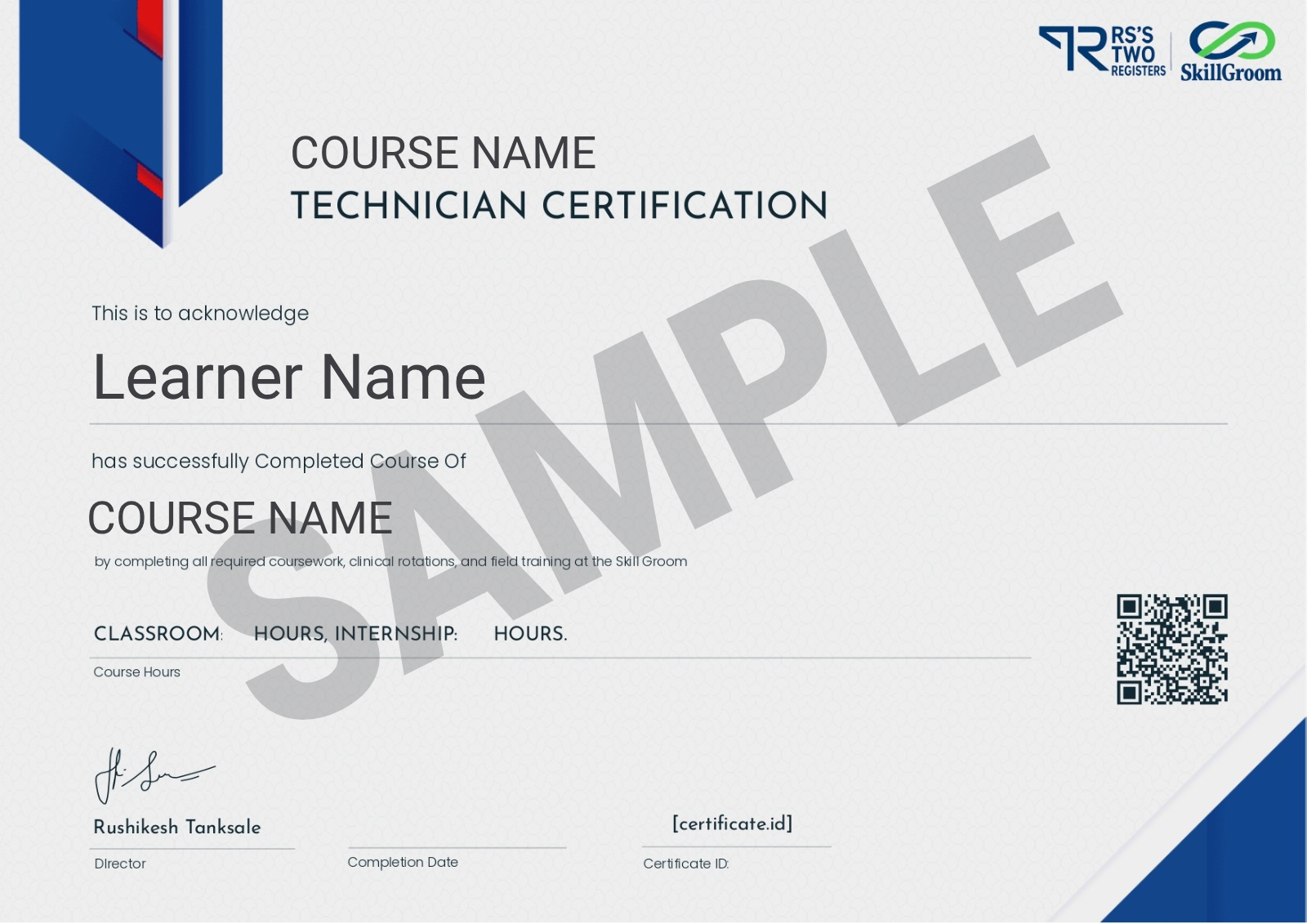
Credits may be awarded as per applicable UGC NEP 2020 guidelines. In addition, your internship certificate will be issued after report approval, evaluation completion, and uploading of the required organization certificate.
Thereafter, learners can download the internship completion certificate directly from the LMS.